
The Agent Harness: The Real Foundation of Enterprise AI
Why the agent harness – not the AI model or the generated code – determines the success of enterprise AI initiatives, and how to build one in five steps.
Governing Agentic AI Safely: Zero Trust and Compliance for AI Agents
AI agents are transforming the enterprise at speed – and the risk is growing just as fast. How the "in dubio pro securitate" principle, formal verification, and zero trust keep agentic AI safe and compliant.

Agentic Coding in Practice: 10 Failsafe Steps That Actually Get AI Agents Shipping Code
Agentic coding without the hallucination drama: a session start, 10 disciplined steps, and a failsafe at every one – the XALT workflow for reproducible AI coding results.

Greater Transparency in IT Asset Management: How IT Leaders Uncover Hidden Costs
Most enterprises already have enough asset data – what they lack is visibility. How a lightweight tool turns administrative data into real decision-making insight, and uncovered nearly €50,000 a year in savings for one customer.
Atlassian Team’25 Europe: Rovo News and Highlights
Rovo is becoming the AI layer for Atlassian’s System of Work: news about Rovo Search, Chat, agents, Studio, governance and the Teamwork Graph.
Atlassian Cloud Migration: From Server and Data Center to the Cloud
Why moving to Atlassian Cloud matters now, what the cloud offers and how a migration succeeds from assessment to go-live.

System Availability with Active-Active Architecture in Banking
Five Active-Active architecture designs we implemented for a banking client in Google Cloud – with the obstacles we faced and the lessons we learned.

Shift Left: Catching Bugs Earlier in Your Development Cycle
Bugs found late cost time, money, and trust. The shift-left approach moves testing and quality assurance as early as possible into the development cycle.
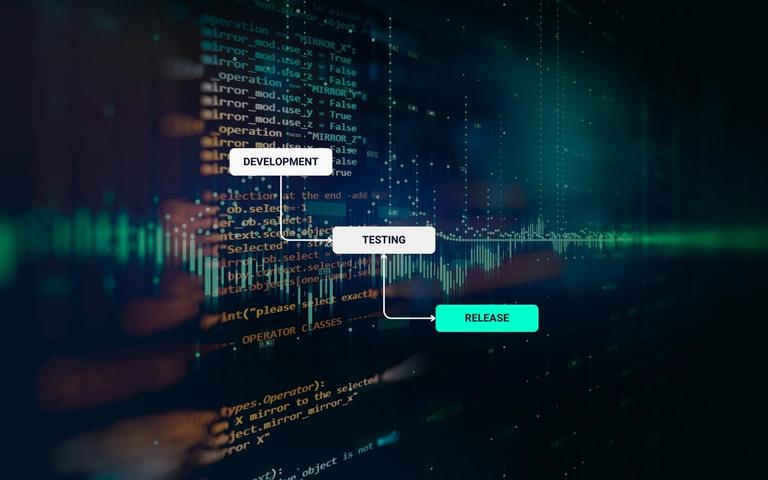
Release Management with Jira: Fixing Problems, Streamlining Processes, Securing Quality
Unclear ownership, manual steps, and time pressure turn releases into chaos. Here's how Jira brings structure, automation, and quality to your release management.

Post-Incident Review Best Practices for Jira Service Management
A post-incident review is more than a closing report – it helps you understand root causes, improve processes, and draw valuable lessons from every incident. Here's how to run one effectively in Jira Service Management.
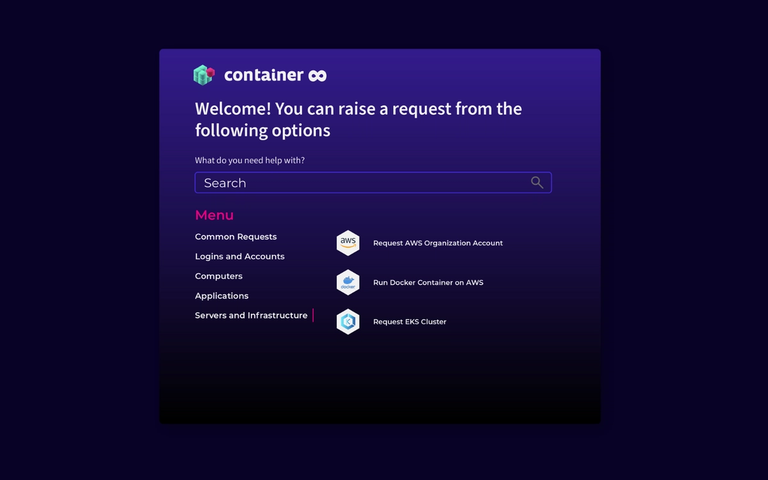
Self-Service: Meaning and Challenges
Without self-service, companies drown in administrative tasks. We explain what self-service is, which challenges it solves, and which tools you can use to build it.
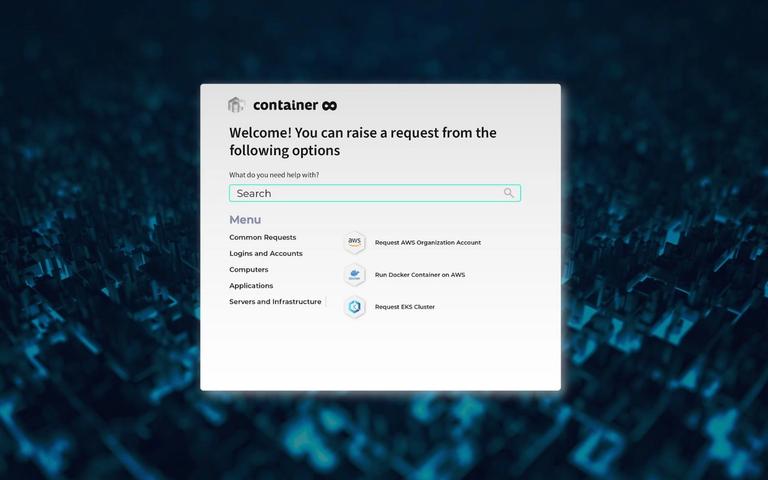
What Is Developer Self-Service? An Overview
What developer self-service is, the types that exist, its advantages and drawbacks, and how it works in practice – a comprehensive overview.