Promoting collaboration, continuous improvement, and operational excellence is of critical importance for companies that want to remain competitive. Atlassian Team Playbooks are a valuable tool in this regard, providing resources to address common team challenges and improve project execution. They offer clear guidance on roles and responsibilities, enhance communication, and foster a proactive learning culture. Discover the benefits of Atlassian Team Playbooks.
Table of Contents
show
- Most popular playbooks from Atlassian Team Playbooks
- Why should I introduce Atlassian Team Playbooks in my company?
- How to get started with Atlassian Team Playbooks
https://youtu.be/qS1Ma4mFhsw
Most popular playbooks from Atlassian Team Playbooks
There are more than 50 Atlassian Team Playbooks that businesses can use to boost productivity and communication, accelerate digital transformation, and much more. Listing them all here would be a bit much. So, we have decided to provide you with a selection of the nine most popular playbooks.
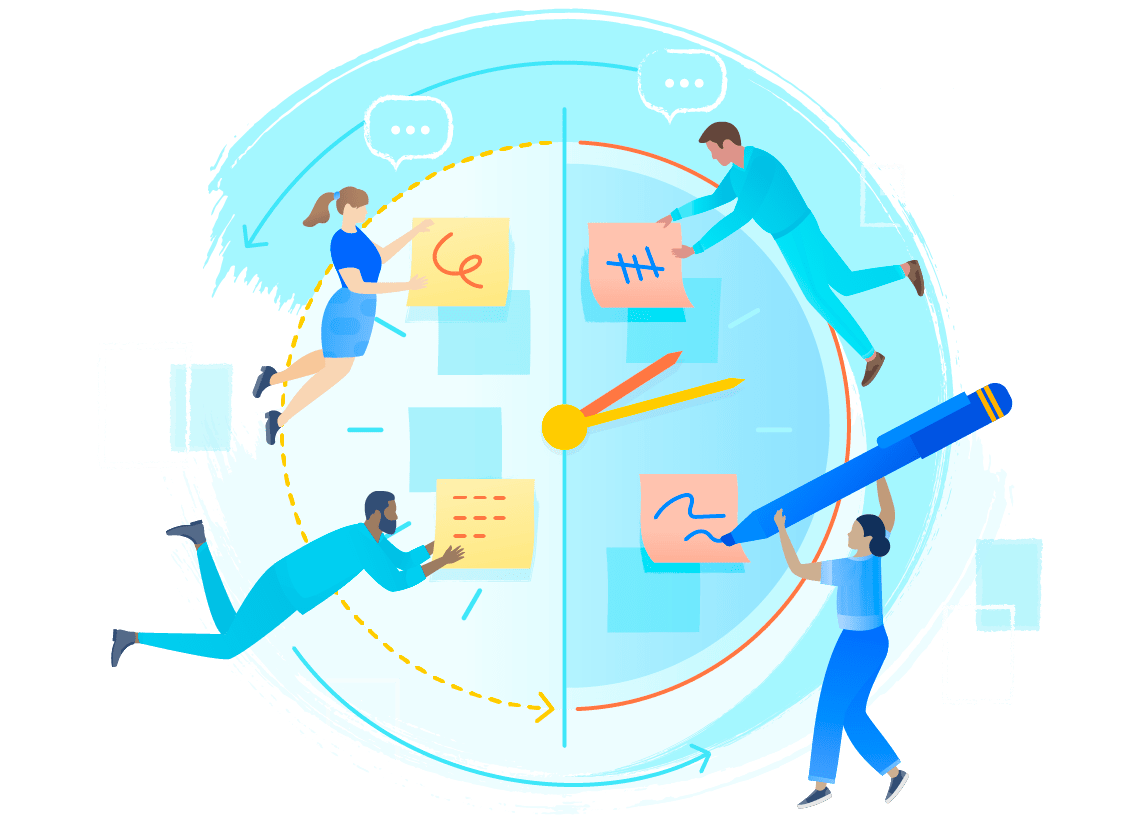
Retrospective Play
The Retrospective Play is a gateway to fostering a culture of continuous improvement. By reflecting on past actions and outcomes, teams can gain invaluable insights that lead to better decision-making. Businesses that apply this method not only strengthen their problem-solving capabilities but also create a culture of transparency and accountability. This play is a catalyst for promoting a proactive mindset that thrives on feedback and iterative learning, which is essential for navigating complex and dynamic business landscapes.
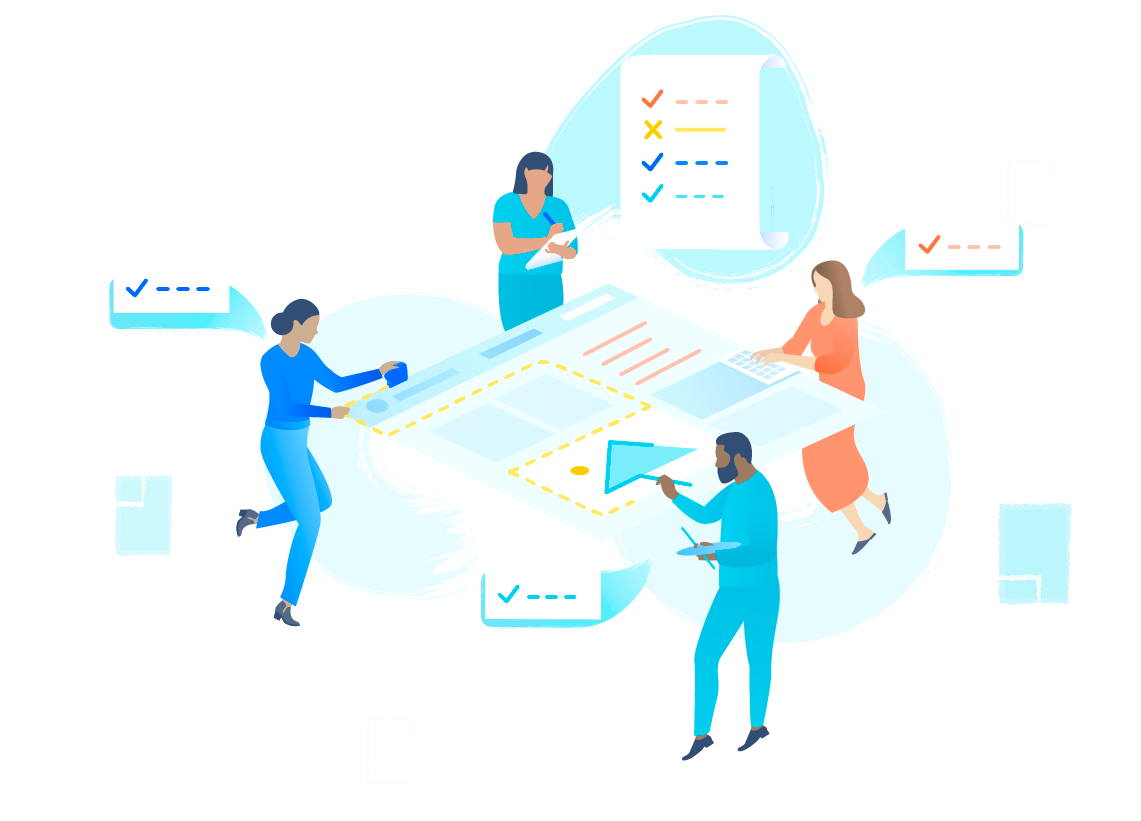
Roles & Responsibilities Play
The essence of the Roles & Responsibilities Play lies in its ability to bring clarity to team dynamics. It precisely defines who is responsible for what, thereby preventing overlaps and gaps that could negatively impact the project timeline. Businesses that apply this method benefit from improved team synergy, streamlined workflows, and significantly enhanced project execution. It is a cornerstone for building a well-coordinated team where everyone is aligned with the shared goals.

Health Monitor Play
The Health Monitor Play acts as a mirror that reflects the true state of a team's operational health. It enables self-assessment based on the attributes of high-performing teams and helps identify strengths and areas needing improvement. For businesses, this play is essential for gauging the pulse of team performance and ensuring that the team continuously improves. It is a blueprint for promoting excellence and achieving operational efficiency.

DACI Play (Driver, Approver, Contributor, Informed)
The DACI framework is crucial for clarifying decision-making roles and responsibilities within a team or project. It designates individuals as Drivers (D), who drive the decision-making process; Approvers (A), who make the decision; Contributors (C), who provide input; and those who are Informed (I) about the decision. This structured approach ensures that decisions are made efficiently, with clear communication and accountability, enabling a smoother project flow.

Icebreaker Activities Play
Icebreaker activities are designed to warm up the group, create a welcoming and inclusive atmosphere, and encourage interaction, particularly at the start of meetings or workshops. These activities can range from simple introductions to engaging games or discussions that help break down barriers, foster open communication, and set a positive tone for the upcoming collaboration.

Objectives and Key Results (OKRs) Play
The OKRs framework is a goal-setting tool that helps teams define, communicate, and track objectives and their outcomes. By setting Objectives (ambitious and inspiring goals) and Key Results (specific, measurable metrics to achieve those goals), teams can align their efforts, fully commit to shared goals, and monitor progress transparently. This play is fundamental for maintaining focus, alignment, and momentum in achieving critical outcomes.

Project Kickoff Play
The Project Kickoff is a structured approach to starting a project on the right foot. It aligns the team on the project's goals, scope, roles, and responsibilities, and establishes a clear action plan. By setting expectations, defining success criteria, and ensuring that all stakeholders are on the same page, this play creates a solid foundation for successful project execution and helps mitigate risks associated with misalignment or misunderstandings.

Sparring Play
Sparring sessions provide teams with a platform to present their work, gather constructive feedback, and refine ideas in a structured, supportive environment. This practice encourages diverse perspectives, constructive criticism, and iterative refinement, helping to improve the quality of work and ensure that the best ideas are put forward and refined collectively.

Standups Play
Standups are short, regular meetings where team members keep each other updated on their progress, discuss the day's work, and identify any obstacles or challenges. This approach promotes transparency, timely problem-solving, and ensures that the team remains aligned on priorities. It is a key practice for maintaining a steady flow of communication and addressing issues promptly, contributing to the overall agility and effectiveness of the team.
Find more Atlassian Team Playbooks on the Atlassian website.

Why should I introduce Atlassian Team Playbooks in my company?
Implementing the Atlassian Team Playbooks can significantly enhance your teams' collaboration, communication, and problem-solving skills. These playbooks address critical team dynamics issues that can hinder project success if ignored. They foster a culture of openness, continuous improvement, and clear communication, which is essential for successful project delivery. The structured framework of these playbooks provides actionable insights and plans that clarify the path to resolution and improvement.
These versatile playbooks can be tailored to your organization's specific needs and challenges, making them a valuable business asset. They not only improve operational efficiency but also create a resilient and adaptable organization. With XALT's support, these playbooks can be seamlessly integrated into your existing processes, offering significant benefits for achieving your business goals.
How to get started with Atlassian Team Playbooks
Getting started with Atlassian Playbooks can be a smooth process with the right approach and guidance. The following strategy is proposed, broken down into manageable steps, to ensure a successful implementation in your organization:
1. Awareness and Training:
Understanding the Playbooks: Learn about Atlassian Playbooks and their benefits. Use resources, attend workshops, or consult experts such as those from XALT to gain deeper insights.
2. Assessment:
Identify Needs: Assess the team's current challenges to determine which Atlassian Team Playbooks would be most beneficial.
Customization: Adapt the selected plays to your organization's specific needs based on the assessment.
3. Planning:
Implementation Plan: Create a plan for implementing the selected measures, including timelines, required resources, and involved teams.
Training: Conduct training sessions to ensure that all stakeholders understand the process and objectives of the playbooks.
4. Execution:
Executing the plays: Execute the plays according to the plan and foster open communication and active participation.
Documentation: Document the insights, actions, and feedback for later use and analysis.
5. Review and Improve:
Review: Assess the effectiveness of the actions after implementation in terms of addressing challenges and achieving goals.
Continuous improvement: Make adjustments for future iterations based on the review to ensure continuous improvement.
6. Support and Guidance:
Expert advice: Seek advice from Atlassian experts or companies such as XALT on successful implementation and overcoming challenges.
7. Scale:
Expand: Expand the implementation to other departments or teams once you are familiar with the playbooks to achieve company-wide improvement.
8. Measure success:
Metrics: Define metrics to measure the success and impact of implementing the Atlassian Team Playbooks, e.g., improved communication, shorter project durations, and enhanced collaboration.